Human Rights Forum Pakistan International (HRFPI)
Human trafficking is one of the most serious human rights violations in the modern world. It involves the illegal recruitment, transportation, transfer, harboring, or exploitation of people through force, fraud, coercion, deception, abuse of power, or vulnerability for the purpose of exploitation.
Victims of human trafficking are often deprived of their freedom, dignity, safety, and basic human rights.
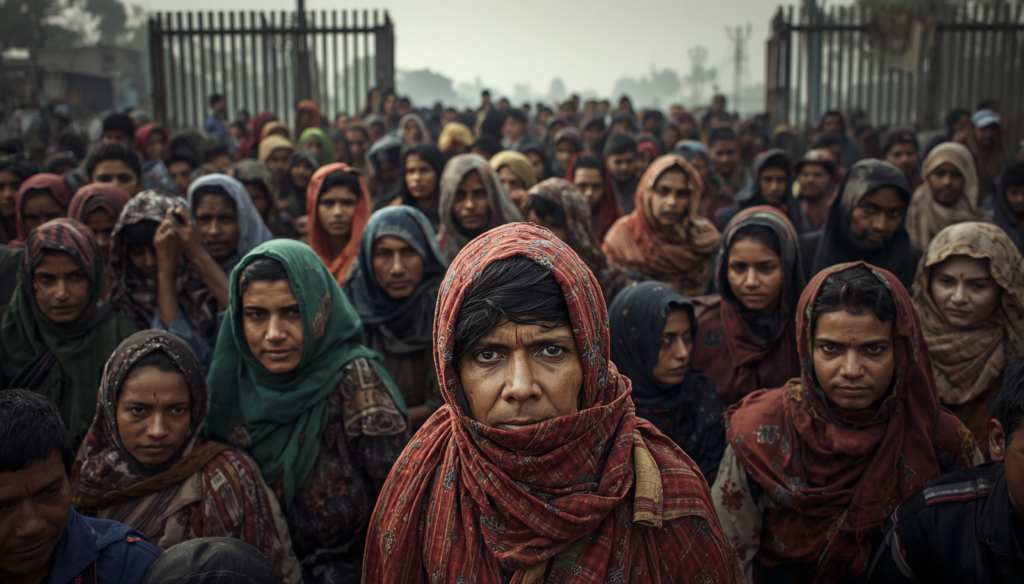
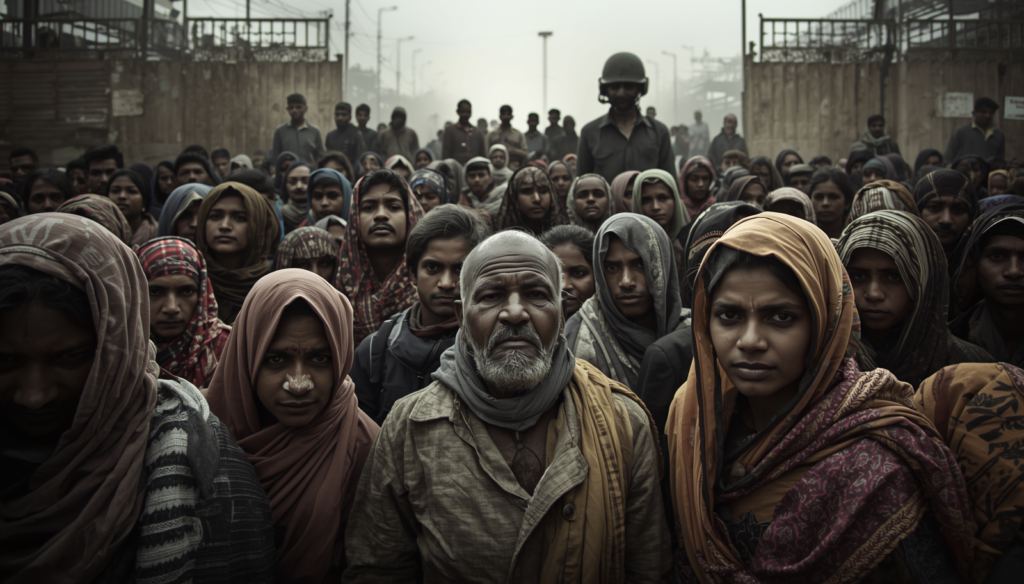
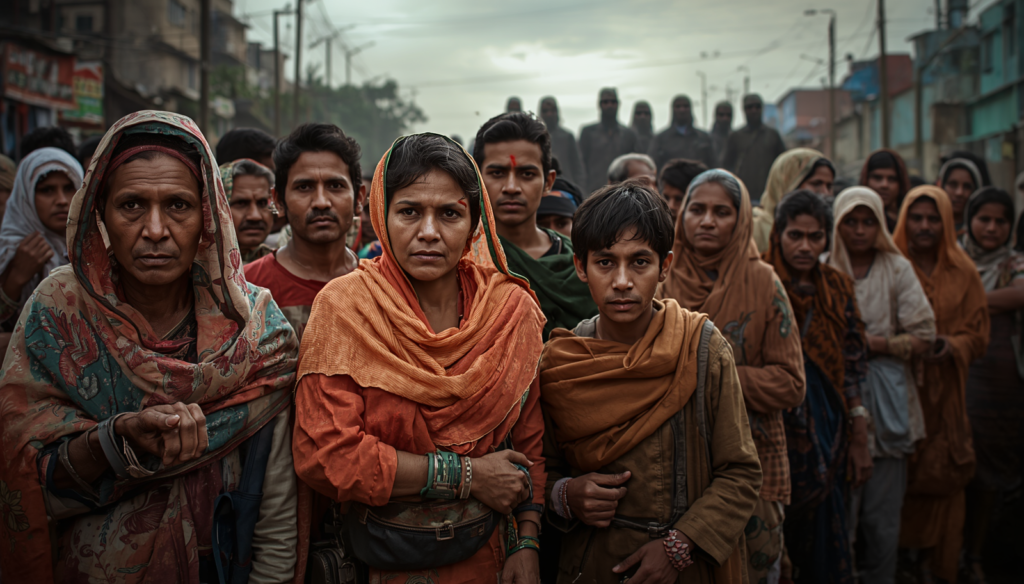
What is Human Trafficking?
Human trafficking includes:
- Forced labor
- Sexual exploitation
- Child trafficking
- Forced begging
- Domestic servitude
- Organ trafficking
- Forced marriages
- Online exploitation
- Criminal exploitation
- Human smuggling linked exploitation
Human trafficking is different from human smuggling. Smuggling usually involves illegal border crossing with consent, while trafficking involves exploitation, coercion, or abuse.
International Law on Human Trafficking
The international community recognizes human trafficking as a serious international crime and human rights violation.
Major International Frameworks
United Nations Palermo Protocol (2000)
The UN Palermo Protocol is one of the main international agreements against trafficking in persons.
It focuses on:
- Prevention
- Protection of victims
- Prosecution of traffickers
- International cooperation
United Nations Office on Drugs and Crime (UNODC)
UNODC Human Trafficking Program
UNODC works globally to:
- Combat trafficking
- Support victims
- Train law enforcement
- Improve international cooperation
Human Trafficking Laws in Pakistan
Pakistan has introduced laws to combat trafficking and migrant smuggling.
Prevention of Trafficking in Persons Act, 2018
Pakistan’s major anti-trafficking law criminalizes:
- Human trafficking
- Forced labor
- Sexual exploitation
- Organized trafficking networks
- Exploitation through coercion or deception
The law provides imprisonment and financial penalties for offenders.
Relevant Pakistani Agencies
Federal Investigation Agency (FIA)
FIA’s Anti Human Trafficking & Smuggling Wing investigates:
- Human trafficking
- Human smuggling
- Organized exploitation networks
- Illegal migration crimes
FIA Complaint Portal
Who Are the Victims of Human Trafficking?
Victims may include:
- Women
- Children
- Men
- Migrants
- Refugees
- Poor and vulnerable communities
- Unemployed youth
- Runaway children
- Domestic workers
Children and women are among the most vulnerable globally.
How Victims Are Trapped
Traffickers often use:
- False job offers
- Fake overseas employment promises
- Marriage scams
- Modeling or entertainment offers
- Illegal migration routes
- Online recruitment
- Social media deception
- Poverty and unemployment
- Emotional manipulation
Women and girls are often targeted for sexual exploitation, while men and boys may face forced labor and dangerous work conditions.
Human Trafficking Around the World
Human trafficking exists in nearly every region of the world.
Highly Affected Regions Include:
- South Asia
- Southeast Asia
- Africa
- Middle East
- Eastern Europe
- Latin America
Recent UN reports also highlight growing online scam compounds and forced cybercrime networks in Southeast Asia.
Human Trafficking in Pakistan
Pakistan is considered:
- A source country
- A transit country
- In some cases, a destination country
for trafficking and smuggling activities.
Commonly Affected Areas
Trafficking risks are often reported in:
- Poor rural regions
- Border areas
- Underdeveloped communities
- Areas with unemployment and illegal migration networks
Some cases have been linked to:
- Punjab
- Sindh
- Khyber Pakhtunkhwa
- Balochistan
especially where illegal migration and labor exploitation networks operate.
Common Forms of Exploitation in Pakistan
Women & Girls
- Domestic servitude
- Sexual exploitation
- Forced marriages
- Trafficking through fake job or marriage offers
Men & Boys
- Forced labor
- Construction and industrial exploitation
- Illegal overseas labor schemes
- Dangerous migration routes
Children
- Child labor
- Forced begging
- Domestic labor
- Online exploitation
- Illegal adoption networks
Criminal Networks & Organized Groups
Human trafficking is often controlled by:
- Organized criminal groups
- Illegal migration agents
- Fake recruitment agencies
- Cross-border smuggling networks
- Online scam syndicates
International criminal groups are involved in trafficking across multiple regions.
Human Rights Organizations & International Reports
Many organizations are actively working against trafficking, including:
- UNODC
- International Organization for Migration (IOM)
- International Labour Organization (ILO)
- UNICEF
- Human Rights Watch
These organizations provide:
- Research
- Victim support
- Awareness programs
- Rehabilitation
- International cooperation
How Victims Are Supported
Victims may receive:
- Legal support
- Counseling
- Shelter assistance
- Medical support
- Rehabilitation
- Education and vocational training
- Reintegration support
- Protection services
International organizations increasingly focus on survivor-centered support systems.
HRF’s Role Against Human Trafficking
HRF aims to: Raise awareness about trafficking dangers, Educate communities about safe migration, Promote legal awareness, Support victims through guidance and referrals, Encourage reporting of trafficking networks, Support women and child protection initiatives, Promote youth awareness programs.
How Victims Can Contact HRF
Victims or affected families can contact HRFPI for:
- Guidance
- Awareness
- Referral support
- Complaint assistance
- Community support
Contact HRF
Important Awareness Message
If you suspect human trafficking:
- Avoid illegal migration routes
- Verify overseas job offers
- Report suspicious agents
- Protect travel documents
- Seek help from lawful authorities
- Contact trusted human rights organizations.
Sources & International References
Information in this page is based on reports and materials from:
- United Nations Office on Drugs and Crime (UNODC)
- FIA Pakistan
- International anti-trafficking frameworks
- Pakistan’s Prevention of Trafficking in Persons Act 2018